
By Dave Westall, Lake Tahoe and Truckee real estate advisor
Updated
Winterizing your Lake Tahoe home starts with protecting plumbing, servicing heating equipment, and planning for snow, power outages, and time away. This Lake Tahoe and Truckee winterization checklist helps you organize that work, whether you live here year-round, visit on winter weekends, or close your home for the season.
The goal is to reduce preventable problems and make winter ownership easier, not to promise a damage-free season. Start with the overview below, then follow the sections that match your property and how you use it.
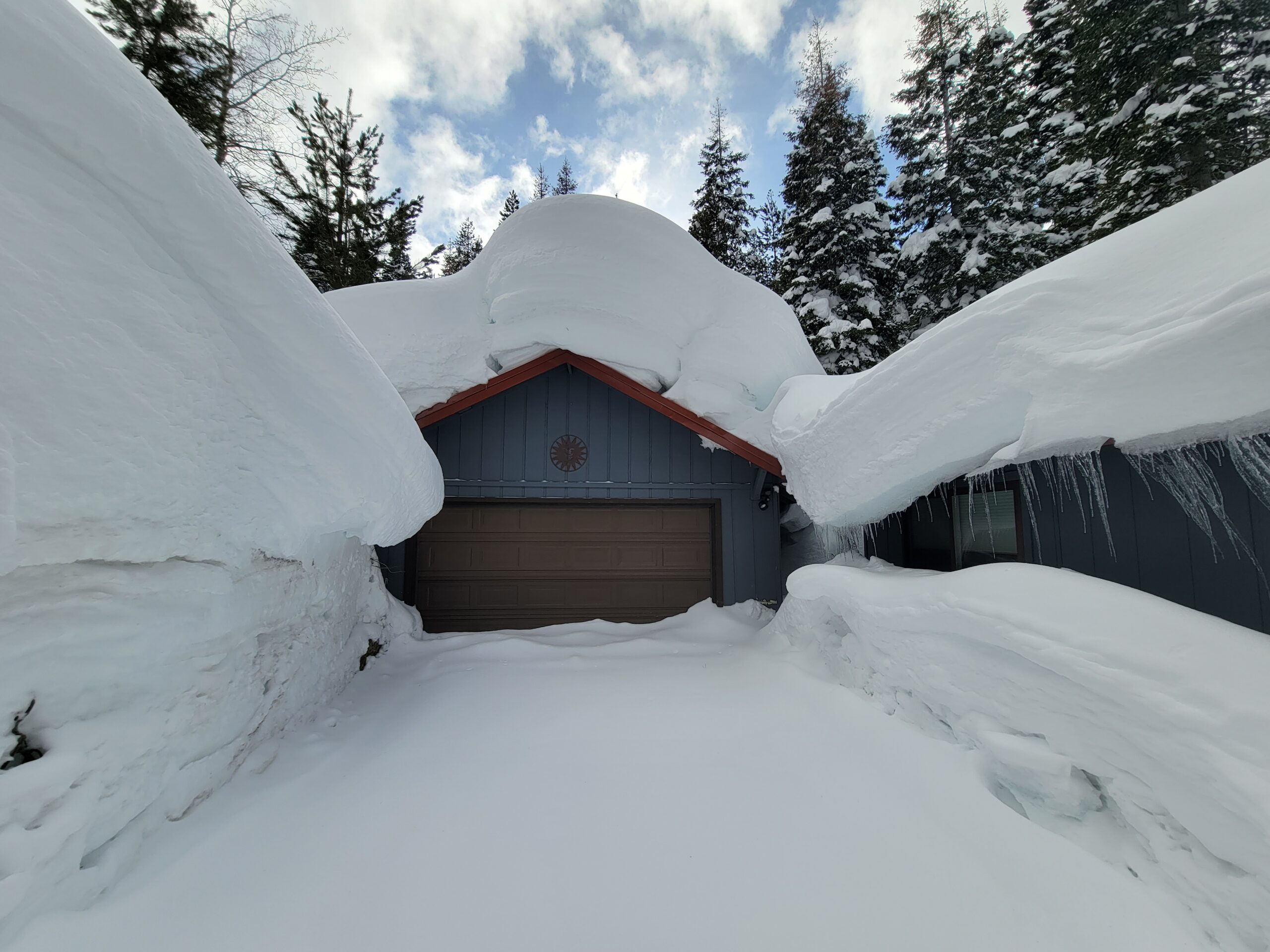
Before you begin: This is a homeowner planning guide, not a property-specific shutdown procedure. Follow equipment instructions and consult appropriately licensed professionals before changing plumbing, heating, electrical, or fire-protection systems.
Lake Tahoe and Truckee Winterization Checklist
- Plumbing: Identify vulnerable pipes and establish a safe water-shutoff and freeze-protection plan.
- Outdoor water: Disconnect hoses and arrange irrigation winterization before freezing weather.
- Heating and fire safety: Service equipment and check smoke and carbon monoxide alarms.
- Roof and exterior: Address leaks, drainage problems, damaged weatherstripping, and snow-shedding hazards.
- Snow removal: Plan for the driveway, walkways, exits, vents, and access to utility equipment.
- Time away: Arrange property checks, test monitoring alerts, and confirm a local emergency contact.
- Insurance: Ask your insurer about winter maintenance, occupancy, and inspection requirements.
Choose the Right Plan for Your Home
Living here throughout winter: Focus on maintenance, reliable heating, snow access, and storm preparedness. Keep an emergency contact list and know where the appropriate shutoff valves are located.
Visiting between ski weekends: Prepare for the intervals when nobody is home. Use a written departure checklist, a heating and water plan approved for your systems, and a local person who can respond to problems.
Closing the property for months: Arrange a professional winterization plan. Seasonal shutdown is different from turning down the thermostat or opening a few faucets.
For a condominium or association-managed property, confirm which tasks belong to you and which belong to the association. Do not change shared systems without authorization.
Prepare Your Home Before Freezing Weather
Use late summer and early fall to book services and address repairs. Complete freeze-sensitive work before freezing temperatures arrive at your property rather than waiting for the first substantial snowfall.
Protect Pipes and Establish a Water-Shutoff Plan
Have a plumber assess pipes in unheated garages, crawlspaces, exterior walls, and other vulnerable locations. Ask about suitable insulation and freeze protection. Label the homeowner-operated domestic water shutoff and keep access clear.
For a home that remains heated during your absence, the American Red Cross recommends a thermostat setting no lower than 55°F. Treat that as a starting point, not a guarantee. Your home may need a higher setting or additional protection for pipes outside the heated living space.
Do not assume one valve can safely shut down every system. Confirm whether domestic water shares a supply with fire sprinklers or serves equipment such as a boiler. A shared shutoff can disable fire protection, as Bear Valley Water District cautions. Have the appropriate plumbing, heating, and fire-sprinkler professionals establish a written procedure.
If heat cable is appropriate, use a listed product suited to the pipe and installation. Follow the manufacturer’s electrical and insulation requirements. CPSC’s heat-tape guidance warns against covering heat tape with insulation unless the manufacturer permits it.
Disconnect Hoses and Winterize Irrigation
Remove and drain garden hoses. Have exterior faucets checked for the winterization procedure their design requires, including any interior shutoff and drain. Do not assume a frost-free label eliminates maintenance.
Arrange irrigation service for lines, valves, backflow equipment, and the controller. Turning off the timer alone does not remove trapped water. Rain Bird recommends consulting an irrigation specialist because draining and compressed-air methods involve system-specific procedures and safety risks.
Service Heating Equipment and Inspect the Chimney
Schedule professional maintenance for your furnace, boiler, or heat pump before the heating season. Test normal operation while you are home, confirm that each heating zone responds, and resolve faults before leaving the property unattended.
Check filters regularly and clean or replace them according to equipment instructions and conditions. Keep supply registers and return grilles unobstructed. ENERGY STAR’s maintenance checklist is a useful reference for discussing service with your technician.
Have fireplaces, woodstoves, chimneys, and flues professionally inspected annually and cleaned as needed before use. Do not light a fire to test a suspected obstruction. The CPSC recommends annual professional inspection of fuel-burning heating systems.
Check Smoke and Carbon Monoxide Alarms
Test alarms and follow the manufacturer’s battery and replacement instructions. U.S. Fire Administration guidance calls for smoke alarms inside bedrooms, outside sleeping areas, and on every level, with monthly testing.
Install carbon monoxide alarms outside each separate sleeping area and on every level, following manufacturer instructions and applicable local requirements. Check detached guesthouses and other separate living spaces, too.
Inspect the Roof, Drainage, and Snow-Shedding Areas
Arrange a roof inspection when condition, age, leaks, or maintenance history warrant it. Have damaged roofing, flashing, and drainage components addressed before snow makes access difficult. Include gutters and downspouts where installed, and keep drainage routes away from the foundation.
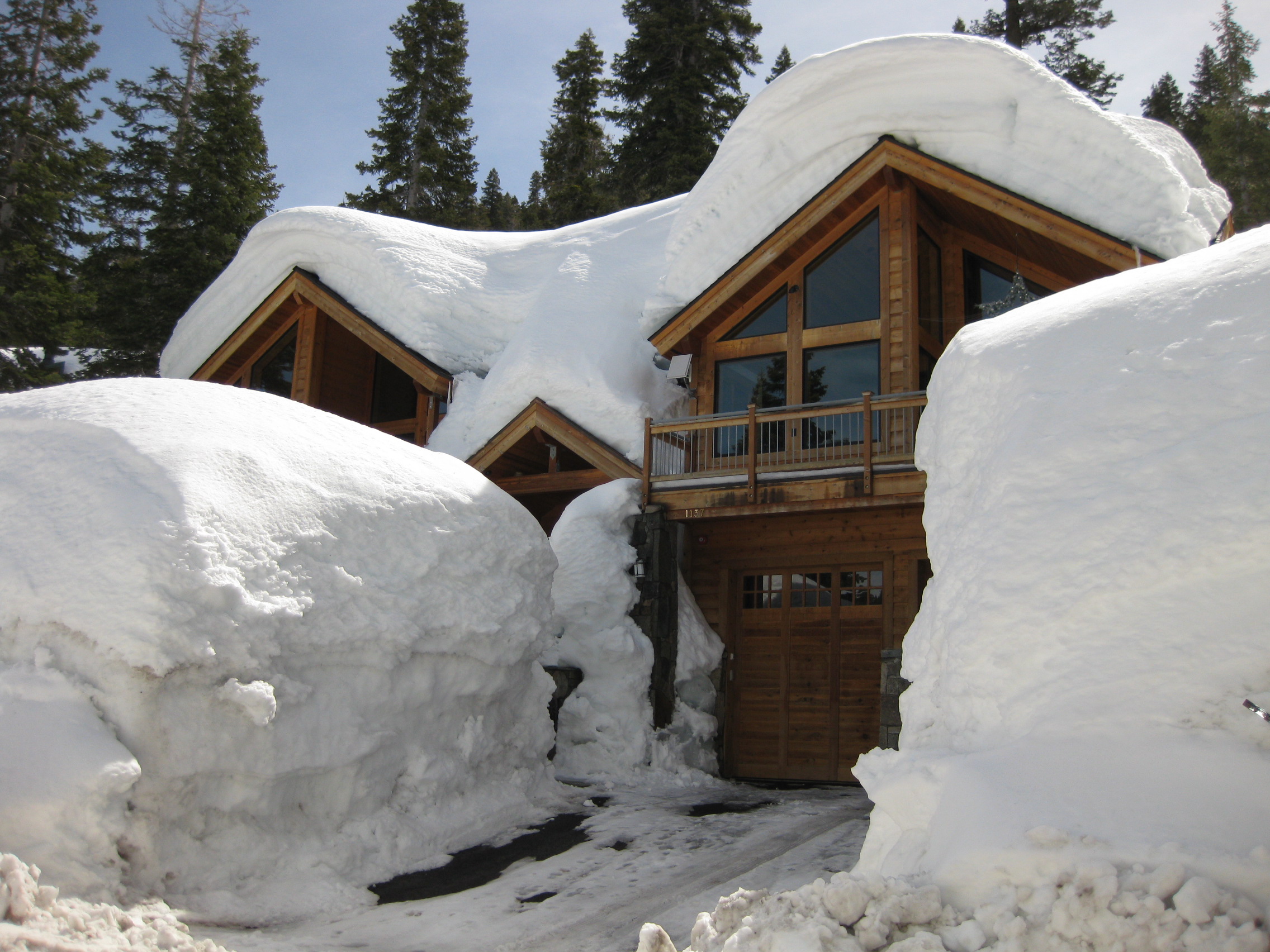
Identify where roof snow may fall onto entrances, decks, walkways, or utility equipment. Discuss those areas with your snow-removal contractor before winter. Leave roof access and heavy roof-snow removal to qualified professionals.
There is no single snow-depth rule that establishes whether every roof is safe. Snow conditions, accumulation patterns, and the structure matter. Review Placer County’s snow-load guidance and seek a property-specific assessment when concerned.
Address Drafts Without Blocking Necessary Ventilation
Repair damaged weatherstripping and have gaps around doors and windows properly sealed. Investigate recurring moisture, wet insulation, and crawlspace drainage rather than simply covering the symptoms.
Do not automatically close every foundation vent. Ask a qualified contractor how your crawlspace is designed to manage moisture and protect plumbing. Closing openings without accounting for combustion air and ventilation can create problems. The Building America crawlspace assessment guide explains why those systems need to be evaluated together.
Arrange Snow Removal and Prepare for Power Outages
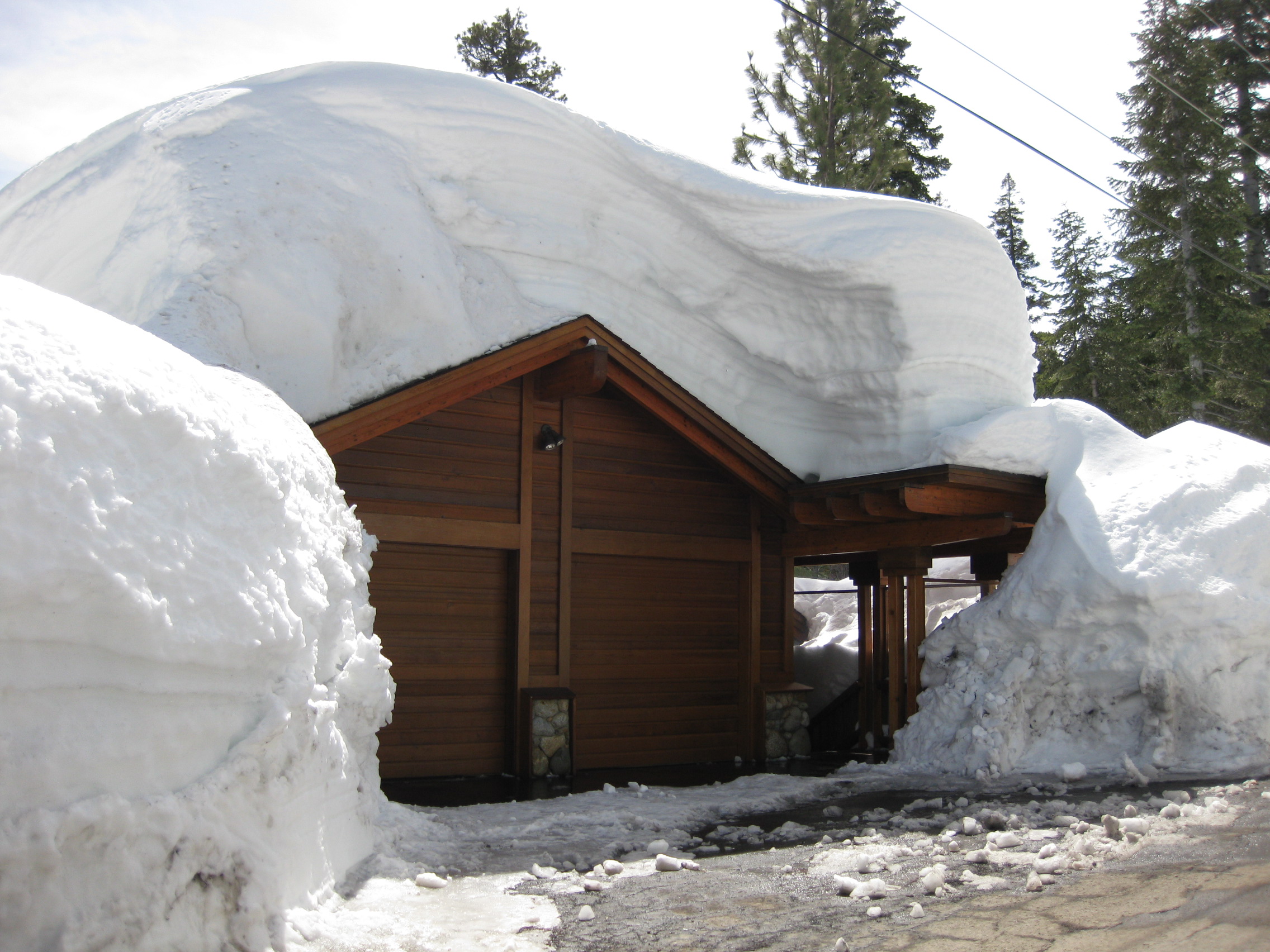
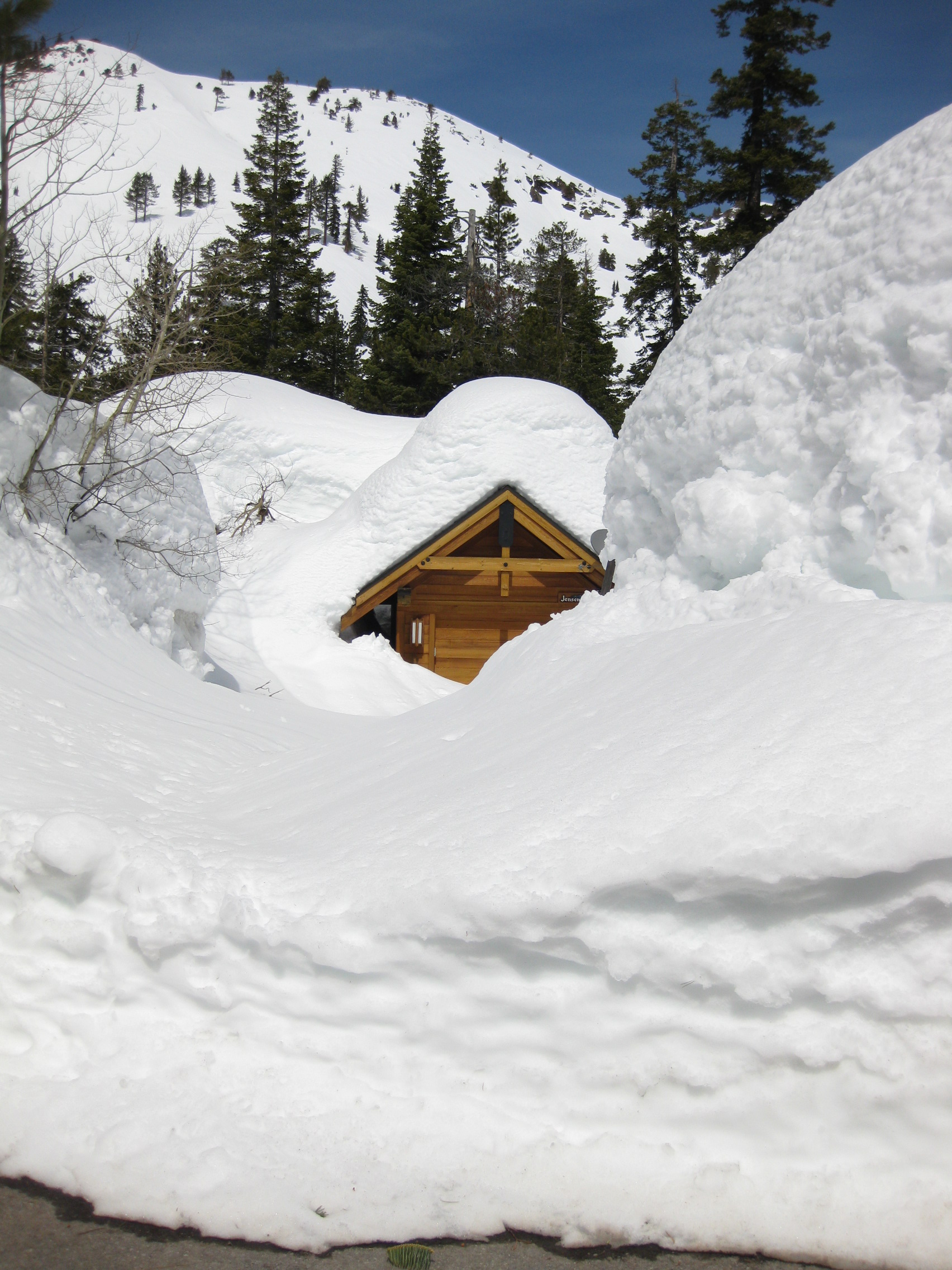
Confirm what your snow-removal agreement includes: driveway clearing, berm removal, walkways, entrances, and access to equipment. Mark driveway edges and discuss snow-storage areas that will not block vents, meters, or exits. Service snow-removal equipment according to its manual and secure outdoor furnishings.
Prepare flashlights, charged power banks, drinking water, nonperishable food, and a safe plan for staying warm or relocating. Sign up for your utility’s outage notifications. A gas heating system may still depend on electricity for controls and circulation.
Portable generators belong outdoors only. The CPSC specifies at least 20 feet from homes, with exhaust directed away. Never operate one in a garage, even with the door open. Have an electrician arrange any connection to home circuits; never backfeed through a wall outlet. See TDPUD’s generator safety guidance for more information.
Second-Home Departure Checklist: Before You Leave Tahoe
Save a property-specific version of this checklist on your phone and share it with family members, guests, and your caretaker.
- Confirm heating settings. Check each zone and ensure schedules or away modes will not override the settings recommended for your home.
- Follow the approved water procedure. Use the written plan for your domestic plumbing, appliances, heating equipment, and fire protection.
- Check for problems. Look for leaks, moisture, unusual equipment noises, and open windows. Resolve concerns before departure.
- Test monitoring. Confirm low-temperature, water-leak, and power-loss alerts where installed. Know which devices depend on Wi-Fi or backup power.
- Confirm access. Secure the home and make sure your caretaker has an authorized way to enter if electronic locks or internet service fail.
- Coordinate the next visit. Confirm property-check and snow-removal arrangements, including who responds to an alert.
- Keep records. Save service dates, settings, contractor contacts, and a dated departure note in one place.
A monitoring alert is only useful when someone can act on it. Do not treat a smart thermostat or leak sensor as a replacement for local response arrangements.
Closing a Tahoe or Truckee Home for an Extended Period
Ask a licensed plumber to prepare a shutdown and reopening procedure tailored to your property. Opening faucets or operating a drain valve does not establish that every pipe, fixture, and appliance is protected.
The plan should account for water heaters, toilets, drain traps, washing machines, dishwashers, refrigerator water lines, filters, and other water-connected equipment. Boilers, hydronic heating, fire sprinklers, hot tubs, wells, and septic systems need their own appropriate procedures. Do not assume the domestic plumbing shutdown covers them.
Never use automotive antifreeze in household plumbing. Where a professional specifies winterizing fluid for appropriate traps or fixtures, use a product labeled for that application and follow its instructions. The University of Minnesota’s seasonal-care guidance distinguishes RV winterizing products from automotive antifreeze. Do not add antifreeze to a septic tank or drainfield to address freezing.
Do not turn off heat unless the responsible professionals confirm the property can be safely left unheated and you have confirmed the arrangement with your insurer. Request written reopening instructions before water and equipment are returned to service.
Maintain Safe Access Throughout Winter
Preparation continues after the first storm. Include these checks in your snow-removal and property-care arrangements:
- Exits and escape routes: Keep doors, walkways, and emergency escape windows accessible.
- Appliance vents: Check that snow has not blocked furnace, dryer, fireplace, or other intake and exhaust openings.
- Utility equipment: Maintain safe access to meters, electrical panels, and homeowner-operated shutoffs. Follow supplier guidance around gas meters and propane equipment.
- Fire hydrants: Help keep nearby hydrants visible and accessible according to local fire-district guidance.
- Changing conditions: Arrange additional checks after major storms, extended outages, or temperature and leak alerts.
The North Lake Tahoe Fire Protection District’s winter safety guidance addresses blocked exits, vents, and gas meters. Truckee Donner PUD’s winter tips cover utility access, outages, and hydrants. Stay clear of power lines and contact the utility when snow makes electrical equipment unsafe to approach.
Know when to leave and call for help. If a carbon monoxide alarm sounds or you smell gas, evacuate and call 911 from a safe location. Do not investigate a suspected gas leak or operate switches. If heavy snow is accompanied by sagging, new structural cracks, or other signs of instability, leave the affected building and seek emergency assistance. Placer County’s snow-load guidance explains warning signs and the need for professional assessment.
Review Insurance and Document Your Winter Plan
Tell your insurance agent how the property will be used, including extended absences or rental use. Ask about freeze-damage coverage, occupancy conditions, heating requirements, inspections, and any required notifications.
Do not assume every winter-related loss is covered. The National Association of Insurance Commissioners explains that frozen-pipe coverage can depend on preventive measures and policy conditions. Keep maintenance records, caretaker reports, and current emergency contacts with your policy information.
Lake Tahoe Home Winterization FAQs
When should I winterize my Lake Tahoe or Truckee home?
Complete freeze-sensitive work before freezing weather reaches your property. Book services in late summer or early fall, then adjust timing to the forecast and your home’s conditions. Do not wait for snow to remain on the ground.
What temperature should I leave my Tahoe home in winter?
For a home left heated during an absence, the American Red Cross recommends no lower than 55°F. Your home may require a higher setting. A thermostat reading does not confirm the temperature around pipes in exterior walls or unheated spaces.
Should I turn off the water when leaving my second home?
Follow a plumber-approved plan for your property. Isolating domestic water may help limit leak damage, but shared fire-sprinkler supplies and water-dependent heating equipment require safeguards. Turning off water alone does not fully winterize the home.
Which winterization tasks can homeowners handle themselves?
Many owners can disconnect hoses, test alarms, document settings, and arrange snow removal. Use qualified professionals for unfamiliar plumbing, irrigation blowouts, heating service, electrical work, chimney inspections, and roof access.
How often should someone check an unoccupied Tahoe home?
Agree on a schedule with your caretaker and insurer based on your systems, exposure, and time away. Include additional visits after significant storms, prolonged outages, or monitoring alerts. There is no single inspection interval that suits every property.
Need Local Contractor or Property-Care Referrals?
A clear maintenance plan makes it easier to enjoy your mountain home. Contact Dave Westall for local contractor and property-care referrals, or to discuss the practical considerations of owning a home in Lake Tahoe or Truckee.
Request Local Contractor Referrals
Call 530-448-9882 or learn more about Dave Westall.
Plan for the next season with the Lake Tahoe spring home maintenance guide.
