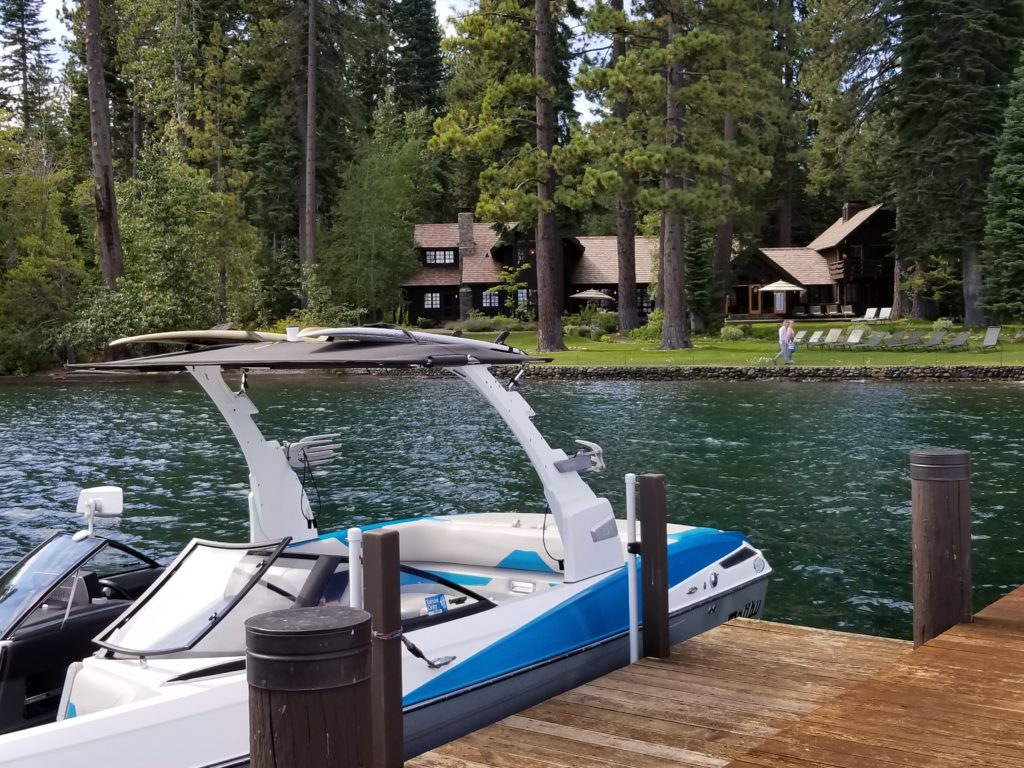
Lake Tahoe Lakefront Homes for Sale | Waterfront Real Estate
Updated for 2026
Lake Tahoe Lakefront Homes for Sale | Waterfront Estates, Piers & Local Guide
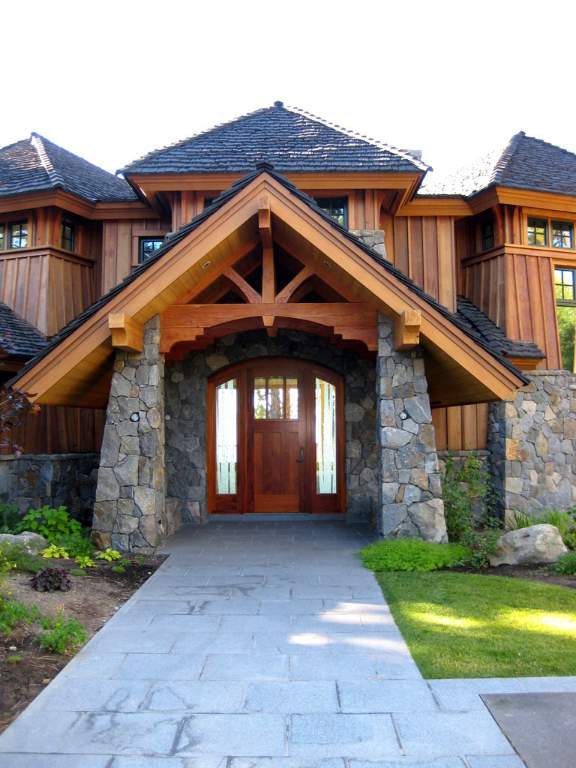
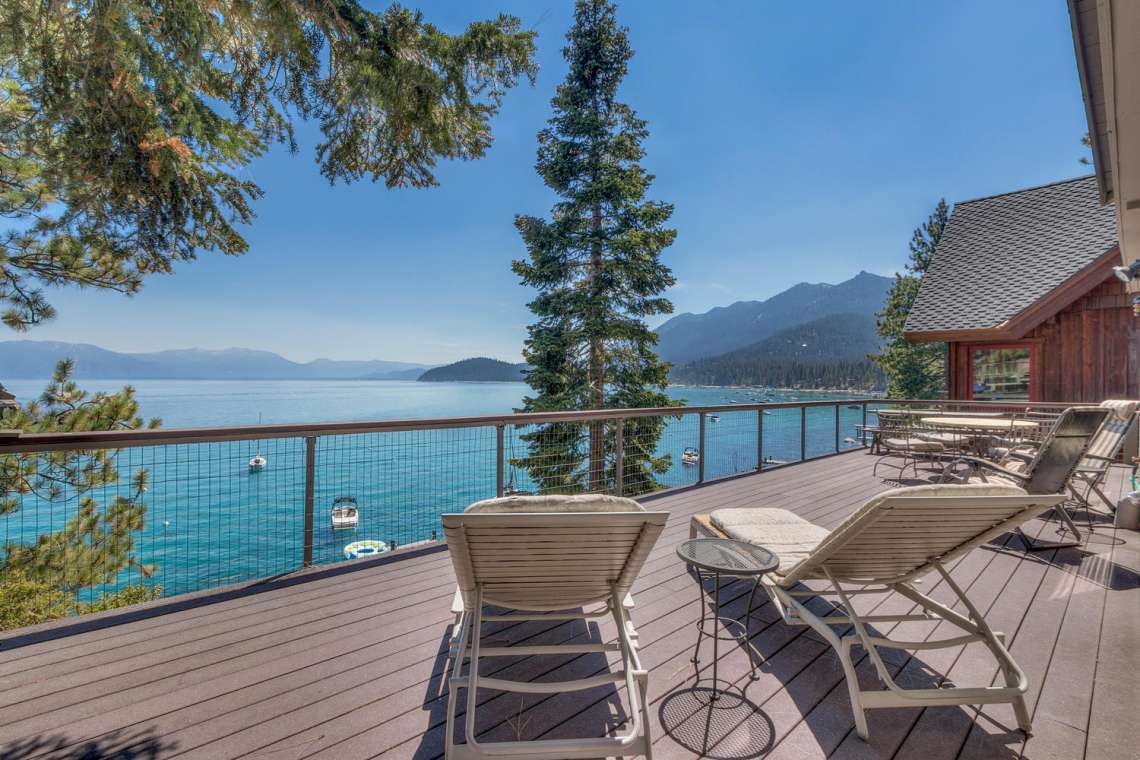
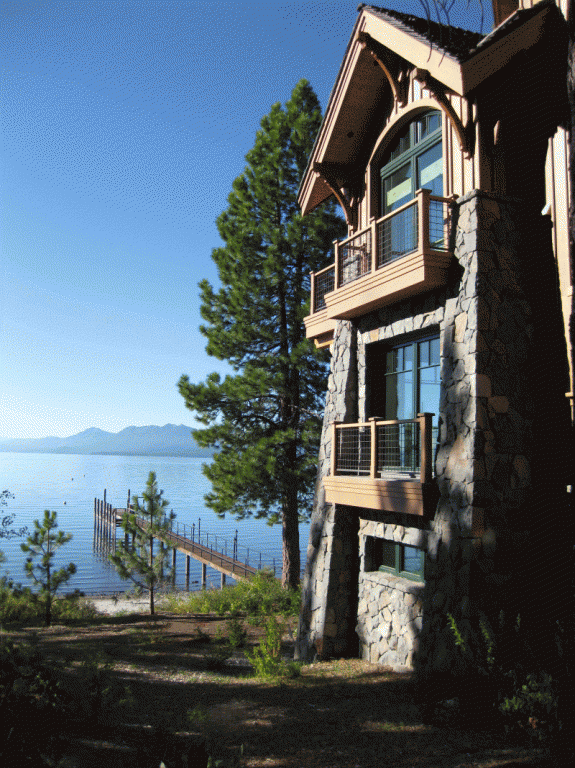
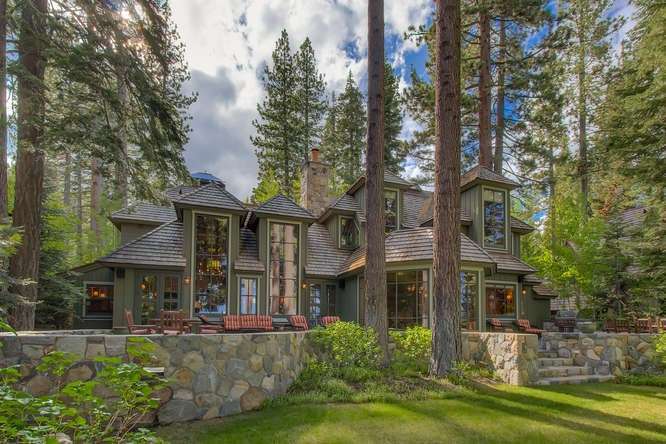
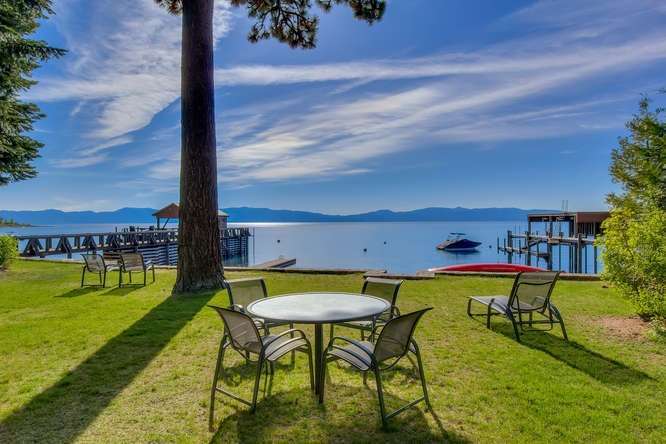
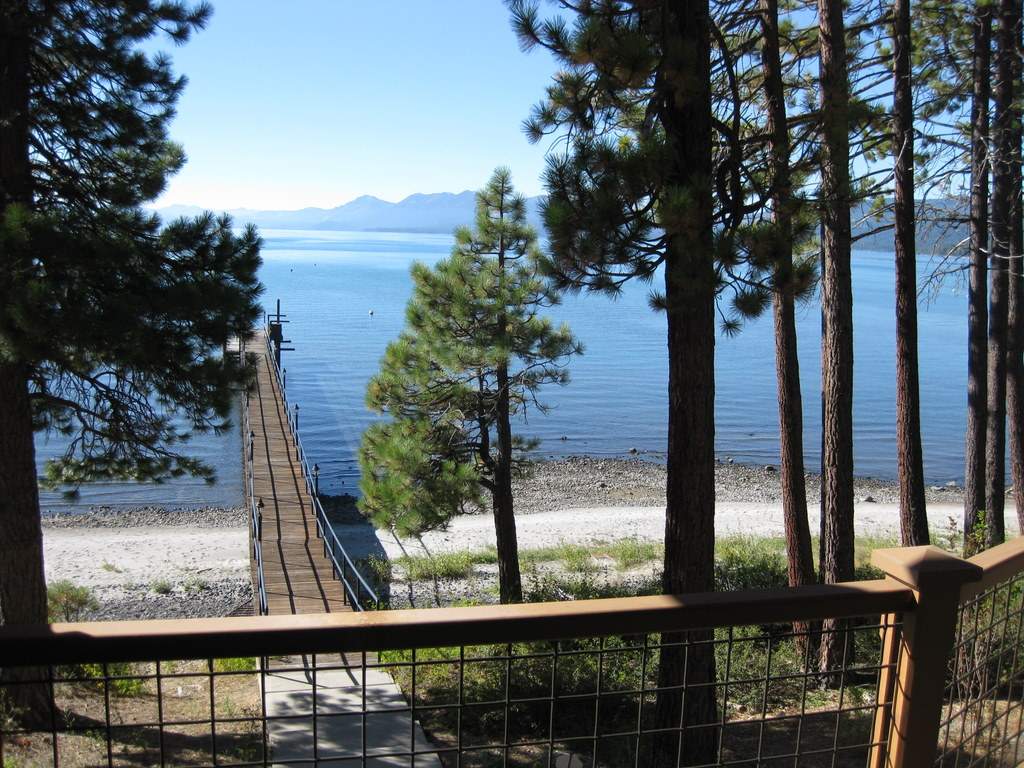
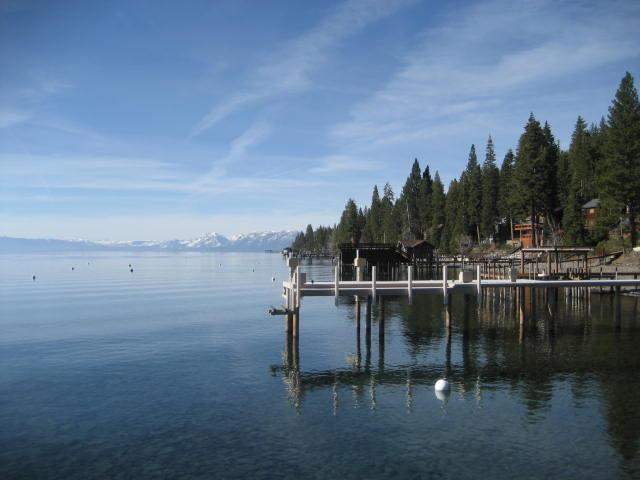
Lake Tahoe lakefront homes for sale represent some of the rarest and most valuable real estate in the Tahoe Sierra. This guide helps buyers and sellers understand waterfront value, including lake frontage, pier and buoy rights, shoreline usability, water depth, privacy, highway exposure, North Shore vs. West Shore differences, and luxury estate positioning.
Whether you are searching for a private lakefront estate, evaluating a family legacy property, comparing Tahoe City and West Shore lakefront homes, or preparing to sell a waterfront home, specialized local guidance is essential. Lakefront real estate is different from ordinary luxury real estate because much of the value is tied to the land, shoreline, access, entitlements, privacy, and irreplaceable setting.
Dave Westall helps buyers and sellers evaluate Lake Tahoe lakefront real estate with a practical understanding of waterfront value, neighborhood differences, market positioning, and the due diligence required for high-value Tahoe properties.
Request a Private Lakefront Consultation |
Find Out What Your Lakefront Home Is Worth
Start Here: What Makes a Lake Tahoe Lakefront Home Valuable?
Lake Tahoe lakefront value is driven by more than the house. The most important factors include lake frontage, pier and buoy rights, shoreline usability, water depth, privacy, highway exposure, sun exposure, lot size, regulatory considerations, neighborhood setting, and the quality of the home itself.
- Best lakefront properties: Broad frontage, privacy, usable shoreline, strong pier utility, deep-water access, and estate-quality improvements.
- Best buyer strategy: Compare the land, shoreline, access, and waterfront rights before focusing only on the home.
- Best seller strategy: Position the property around scarcity, lake access, privacy, pier or buoy value, setting, and lifestyle.
- Best due diligence approach: Verify shoreline, pier, buoy, HOA, TRPA, county, and property-specific records before making final decisions.
Lakefront vs. Lakeview vs. Lake Access Homes in Lake Tahoe
Lakefront, lakeview, and lake-access properties can offer very different ownership experiences. A true lakefront home has direct shoreline frontage or a direct waterfront setting, while a lakeview home may offer views without direct water access. Lake-access homes may include HOA beach access, shared pier access, buoy field membership, or private association amenities, but they are not the same as owning direct waterfront frontage.
| Property Type | What It Means | Why It Matters |
|---|---|---|
| Lakefront | Direct shoreline frontage or a direct waterfront setting, depending on property boundaries and rights. | Typically the rarest and most valuable category because of direct lake access, scarcity, privacy, and lifestyle appeal. |
| Lakeview | A home with views of Lake Tahoe but no direct shoreline frontage. | Can offer strong lifestyle appeal at a different value level than direct lakefront ownership. |
| Lake Access | Access through an HOA, private beach association, shared pier, buoy field, or nearby public access. | Can be highly desirable, but rights, fees, rules, and access details must be verified carefully. |
Buying Lake Tahoe Lakefront Homes
Buying a Lake Tahoe lakefront home requires a deeper level of analysis than most real estate purchases. The value of a waterfront property may be shaped as much by the frontage, pier, buoy, privacy, access, and shoreline conditions as by the size and finish level of the home.
The best lakefront buyers evaluate both the emotional appeal and the practical ownership details. A beautiful home with limited water depth, road noise, unclear access rights, or difficult shoreline usability may perform very differently than a property with strong frontage, privacy, a usable pier, and a protected setting.
What Lakefront Buyers Should Evaluate
- Frontage: Width, usability, orientation, privacy, and relationship to neighboring properties.
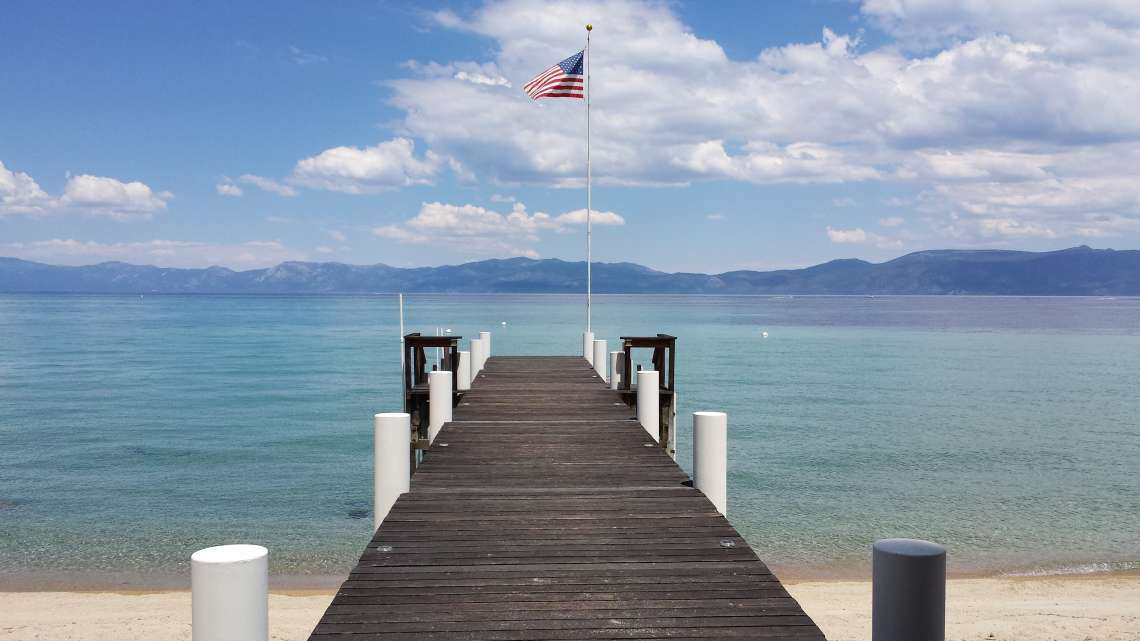
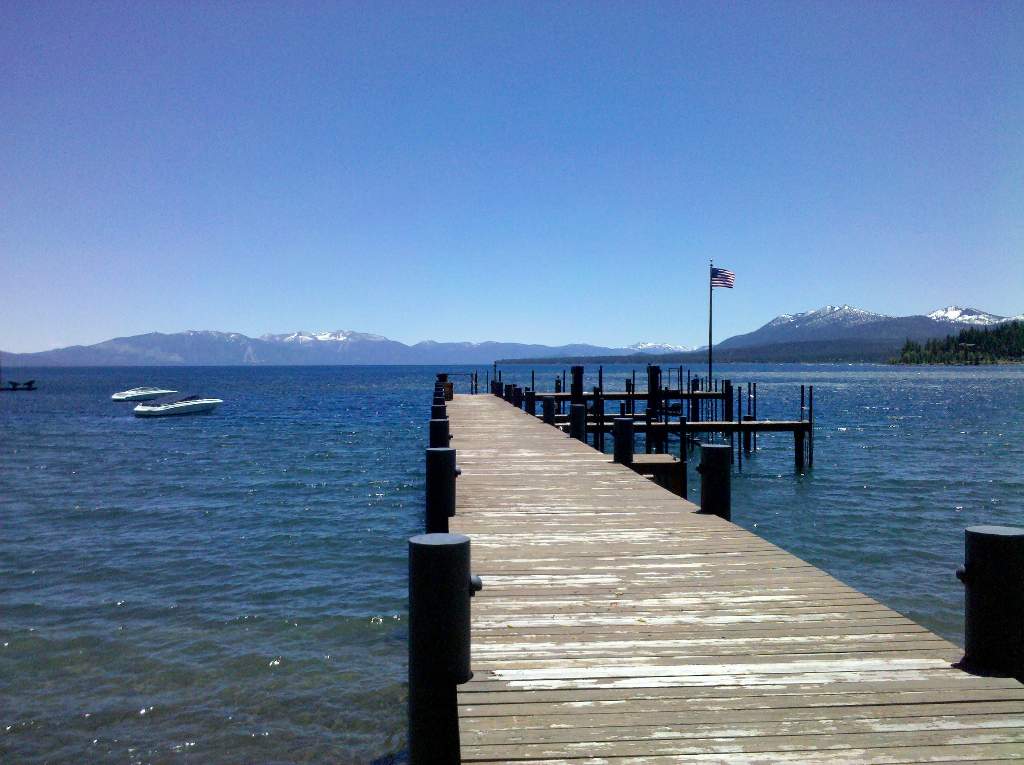
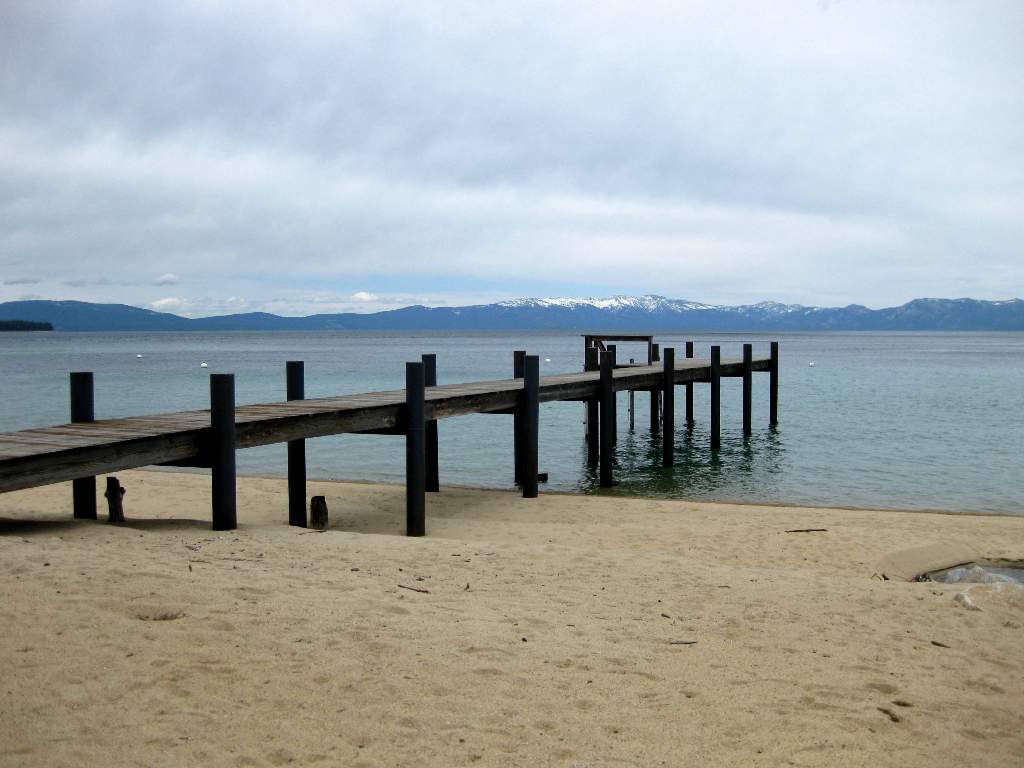
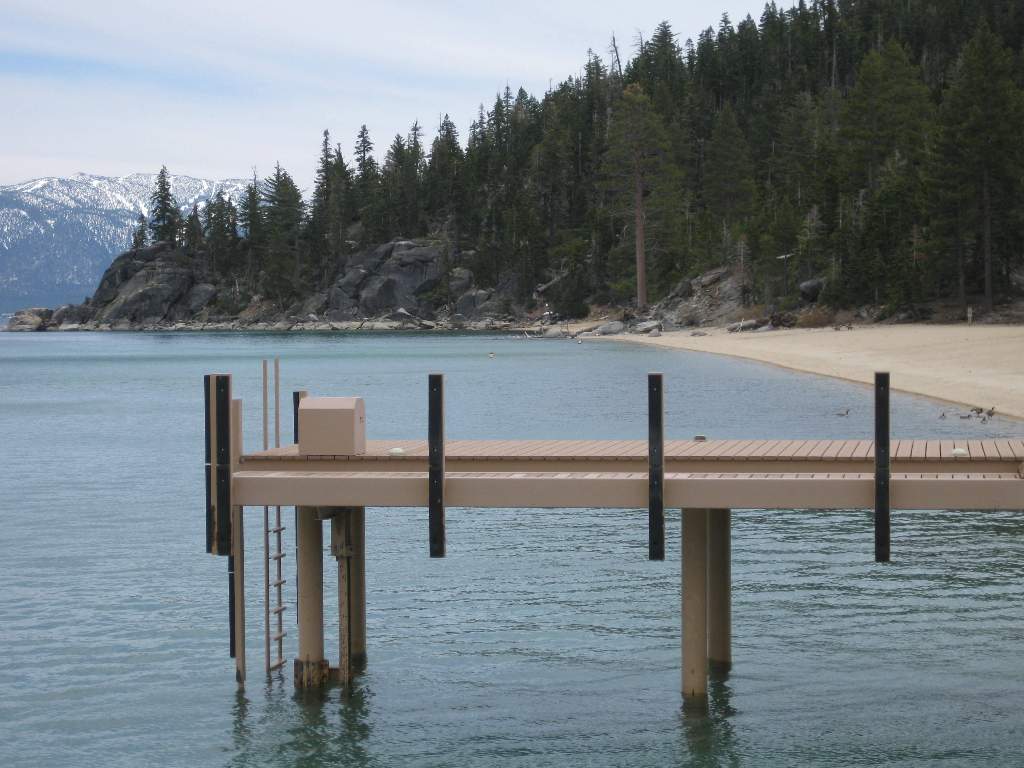
- Pier rights: Private pier, shared pier, pier condition, permits, maintenance responsibilities, and practical usability.
- Buoy rights: Private buoy, shared buoy, permitted buoy, HOA buoy field, waitlists, and transferability.
- Water depth: Boating usability, seasonal water levels, approach, and protection from wind or exposure.
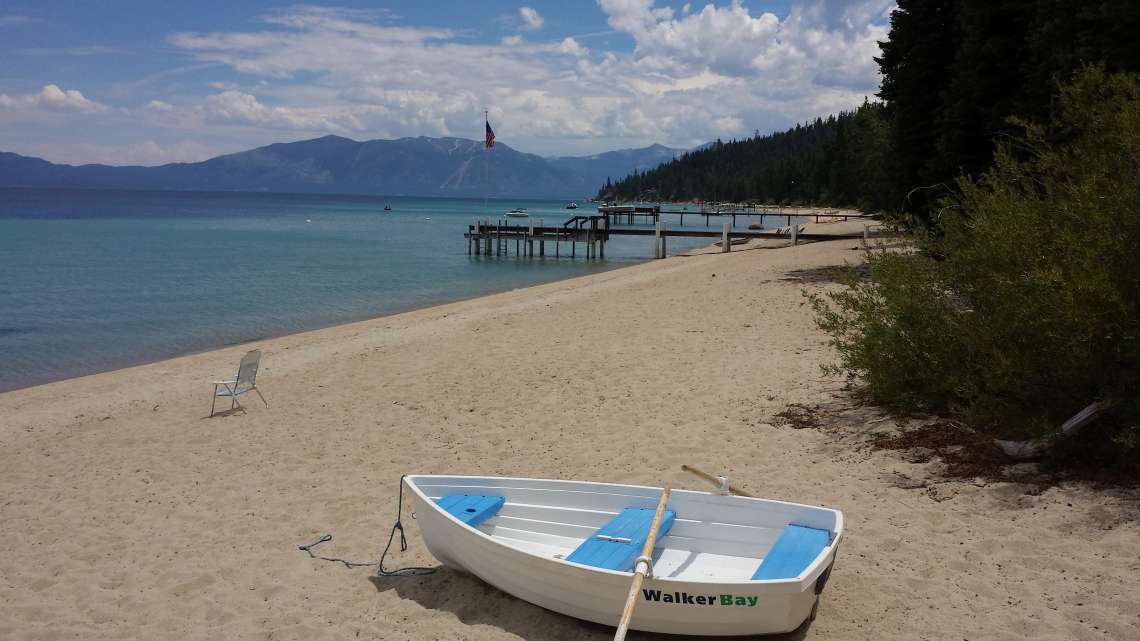
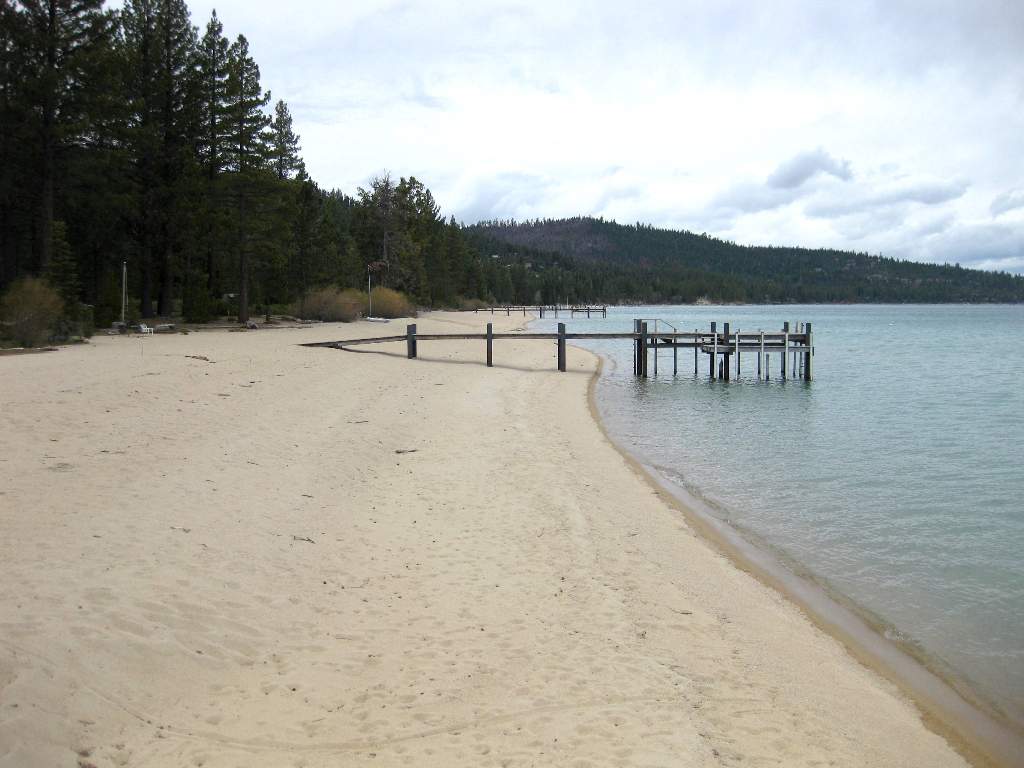
- Shoreline character: Sandy beach, rocky shoreline, seawall, lawn-to-lake setting, boulders, or steeper access.
- Privacy: Neighboring homes, public access, road exposure, boat traffic, and visibility from the lake.
- Regulatory considerations: TRPA rules, county requirements, shoreline regulations, coverage, permitting, and future improvement potential.
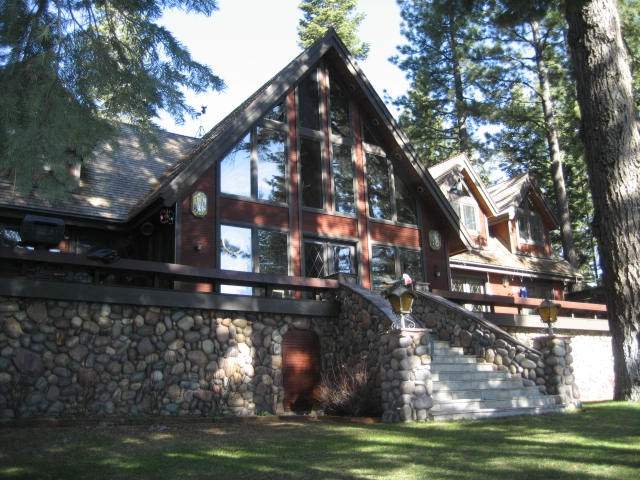
- Home condition: Remodel quality, roof, windows, heating, decks, drainage, foundation, defensible space, and long-term maintenance.
- Neighborhood fit: Tahoe City, Dollar Point, Carnelian Bay, Homewood, Tahoma, Meeks Bay, Rubicon Bay, and other lakefront areas each offer a different ownership profile.
Key Factors That Affect Lake Tahoe Lakefront Home Values
Lake Tahoe lakefront properties are not valued by square footage alone. Two homes with similar size and finishes can have very different values depending on frontage, pier and buoy rights, privacy, shoreline utility, view quality, and neighborhood setting.
| Value Driver | Why It Matters |
|---|---|
| Lake frontage | More usable frontage can improve privacy, shoreline experience, and long-term scarcity value. |
| Pier and buoy rights | Private or shared pier and buoy rights can materially affect usability and buyer demand. |
| Water depth | Depth affects boating practicality, pier usability, and seasonal lake access. |
| Privacy | Privacy from roads, neighbors, public areas, and lake traffic can create a significant value premium. |
| Shoreline usability | Beach, lawn, boulder, seawall, and steep shoreline conditions all create different ownership experiences. |
| Highway exposure | Road noise, driveway access, and separation from traffic can affect enjoyment and market value. |
| Sun exposure | Orientation influences natural light, snow melt, outdoor living, and seasonal comfort. |
| Home quality | Architecture, remodel quality, condition, layout, and indoor-outdoor connection affect buyer perception. |
| Neighborhood | Tahoe City, Dollar Point, Carnelian Bay, the West Shore, Homewood, Tahoma, Meeks Bay, and Rubicon Bay each offer a different lakefront profile. |
| Regulatory and property records | TRPA, county, HOA, pier, buoy, and permit records can influence both value and buyer confidence. |
Best Lake Tahoe Lakefront Areas by Buyer Goal
The best lakefront location depends on how you plan to use the property. Some buyers prioritize convenience and services, while others want privacy, boating utility, estate quality, or a quieter legacy-home setting.
| Buyer Goal | Areas to Compare | Why It Matters |
|---|---|---|
| Convenience and services | Tahoe City, Dollar Point, Carnelian Bay | Close to restaurants, marinas, shopping, daily services, and the Truckee corridor. |
| Classic Tahoe privacy | Homewood, Tahoma, Meeks Bay and Rubicon Bay | Quieter West Shore setting with a more traditional lakefront feel. |
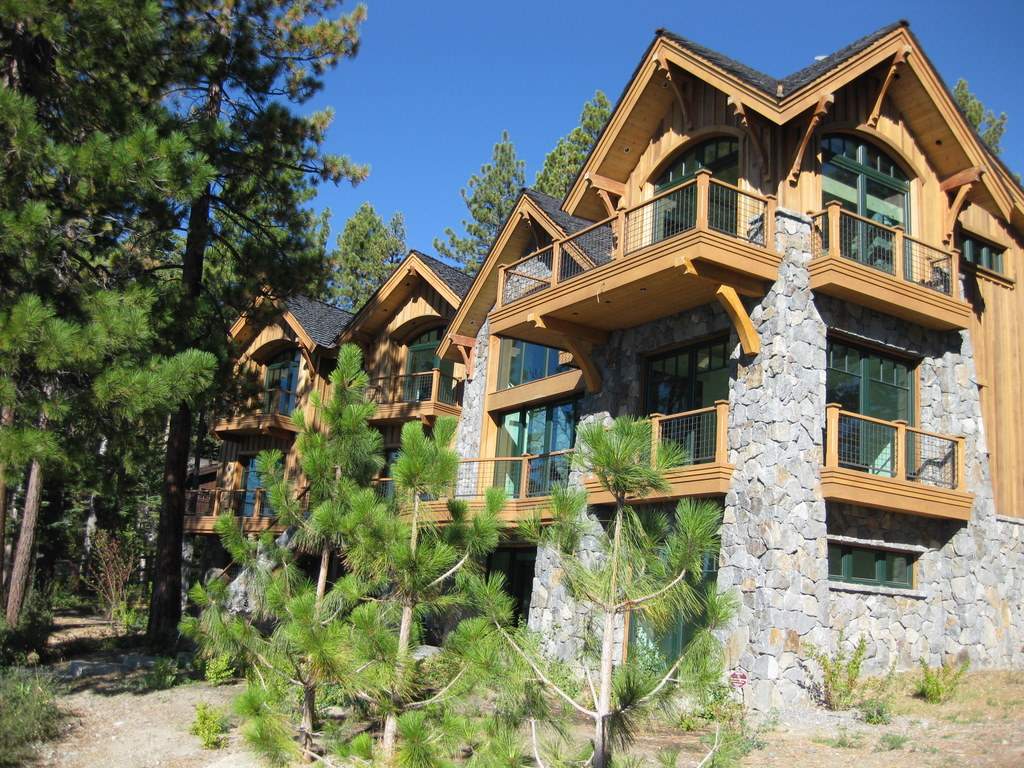
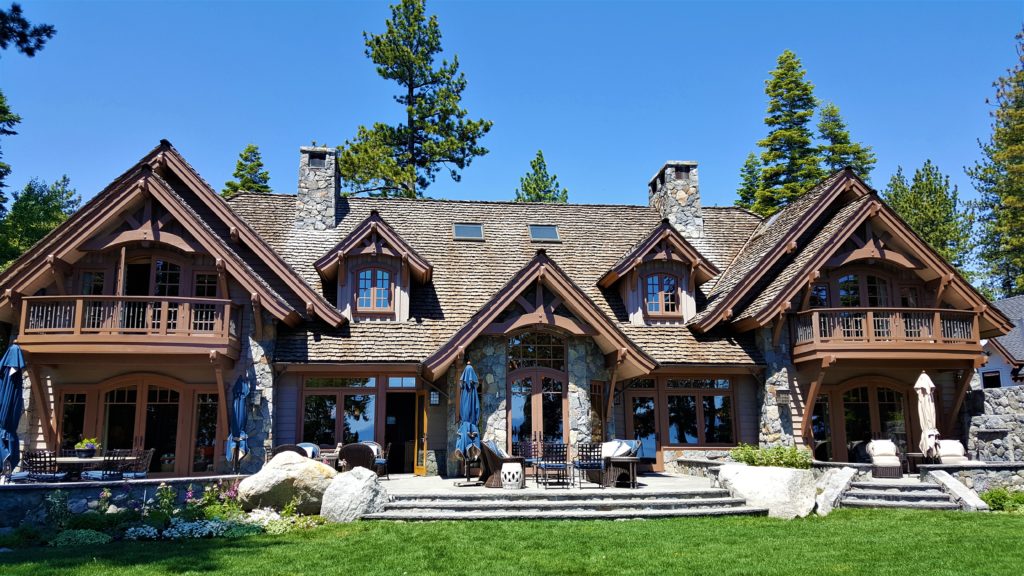
| Luxury estate potential | Dollar Point, West Shore, Rubicon Bay, and select off-highway lakefront locations | Privacy, frontage, pier utility, estate-quality improvements, and setting can drive long-term value. |
| Boating and marina access | Tahoe City, Carnelian Bay, Homewood, and select North Shore locations | Convenient boating access can matter for owners who plan to use the lake frequently. |
| Lower-maintenance lakefront ownership | Lakefront condominium communities and shared-amenity properties | Direct lake access with less maintenance than a single-family waterfront estate. |
| Legacy family ownership | West Shore, Rubicon Bay, Dollar Point, Tahoe City, and select lakefront enclaves | Long-term family use often depends on privacy, gathering spaces, shoreline usability, parking, and ease of access. |
North Shore vs. West Shore Lakefront Homes
Many Lake Tahoe lakefront buyers compare the North Shore and West Shore before making a decision. Both areas offer exceptional lakefront opportunities, but the lifestyle, access, setting, and ownership experience can feel different.
North Shore Lakefront Homes
North Shore lakefront homes often appeal to buyers who want access to Tahoe City, Dollar Point, Carnelian Bay, Tahoe Vista, Kings Beach, restaurants, marinas, services, and easier access to Truckee. This side of the lake can be especially appealing to buyers seeking a balance of lakefront ownership, convenience, and year-round accessibility.
Explore related areas, including Tahoe City real estate, Dollar Point real estate, Carnelian Bay real estate, Tahoe Vista real estate, and Kings Beach real estate.
West Shore Lakefront Homes
West Shore lakefront homes often appeal to buyers seeking a quieter, more classic Tahoe setting. Areas such as Sunnyside, Tahoe Park, Homewood, Tahoma, Meeks Bay, and Rubicon Bay offer a legacy-home feel, strong natural beauty, and a more relaxed lakefront lifestyle.
Explore related areas, including Sunnyside and Tahoe Park real estate, Homewood real estate, Tahoma real estate, and Meeks Bay and Rubicon Bay real estate.
Common Mistakes to Avoid When Buying Lake Tahoe Lakefront Property
Lakefront buyers are often drawn to the beauty of the setting, but the most successful purchases are backed by careful due diligence. Avoiding common mistakes can protect both lifestyle enjoyment and long-term value.
- Assuming every lakefront property has private pier or buoy rights.
- Focusing on the home while underestimating the value of frontage, privacy, and shoreline usability.
- Overlooking highway exposure, road noise, and privacy from the water.
- Not verifying TRPA, county, HOA, pier, buoy, and shoreline-related records early enough.
- Ignoring water depth, seasonal lake conditions, and boating practicality.
- Failing to evaluate insurance, defensible space, snow removal, drainage, and long-term maintenance.
- Assuming lake access, shared amenities, or HOA beach rights are equivalent to direct lakefront ownership.
- Not comparing North Shore, West Shore, and neighborhood-specific value differences before making an offer.
Lakefront Buyer Due Diligence Checklist
Before purchasing a Lake Tahoe lakefront home, buyers should verify property-specific details with the appropriate agencies, advisors, inspectors, associations, and professionals. Lakefront due diligence should be handled carefully and early in the process.
- Review title, parcel boundaries, easements, access rights, and shoreline-related rights.
- Confirm pier, buoy, shared pier, shared buoy, HOA beach, or lake-access documentation.
- Review applicable shoreline, coverage, and permitting considerations with the Tahoe Regional Planning Agency and the appropriate county or professional advisors.
- Confirm county records, building permits, septic or sewer details, water service, and utility systems.
- Inspect the home, roof, decks, drainage, retaining walls, seawalls, foundations, and shoreline improvements.
- Evaluate insurance availability, defensible space, wildfire exposure, and long-term ownership costs.
- Understand HOA rules, private association requirements, rental restrictions, and transfer fees where applicable.
- Review dock, pier, buoy, boat lift, state land leases, and shoreline maintenance responsibilities.
- Consider privacy, road exposure, parking, winter access, snow storage, and guest use.
Selling Lake Tahoe Lakefront Property
Selling a Lake Tahoe lakefront home requires a specialized strategy because the value is often tied to features that are difficult to compare using standard price-per-square-foot analysis. A successful sale should clearly communicate the property’s frontage, pier and buoy rights, privacy, shoreline usability, sun exposure, water depth, outdoor living, estate quality, and long-term scarcity.
The right marketing strategy should help buyers understand not only the home, but the full lakefront ownership experience. That includes the setting, shoreline, access, lifestyle, entitlements, improvements, and the emotional value of owning a rare Lake Tahoe waterfront property.
Get a Lakefront Home Valuation
Lakefront Seller Positioning Checklist
- Document waterfront rights: Clarify pier, buoy, shared pier, HOA beach, lake access, and shoreline-related rights.
- Showcase the setting: Use professional photography, video, drone imagery, twilight imagery, and lifestyle visuals to communicate the full lakefront experience.
- Explain the value drivers: Highlight frontage, privacy, water depth, beach character, highway exposure, and outdoor usability.
- Prepare due diligence materials: Gather permits, HOA details, pier documentation, buoy information, TRPA-related records, improvements, and maintenance history.
- Target qualified buyers: Lakefront marketing should reach luxury buyers, trusted agents, private client networks, and buyers already focused on Tahoe waterfront ownership.
- Position beyond square footage: Emphasize scarcity, setting, shoreline experience, privacy, and lifestyle value.
Questions Lakefront Owners Should Ask Before Selling
Before listing a Lake Tahoe lakefront home, owners should understand how the property compares to other waterfront opportunities and how the market is likely to value its most important features.
- What are the most important value drivers for my specific lakefront property?
- How do my pier, buoy, frontage, privacy, and shoreline characteristics compare with recent sales?
- Should I complete repairs, staging, landscaping, documentation, or pre-listing inspections before launch?
- What buyer profile is most likely to pay a premium for my property?
- How should the property be positioned across luxury, local, Bay Area, and referral networks?
- What is the best timing strategy based on inventory, seasonality, and current buyer demand?
- Which documents should be prepared before the property is shown to serious buyers?
- How can photography, video, drone, and lifestyle marketing communicate the full lakefront experience?
For a property-specific opinion of value, visit What Is My Lake Tahoe Home Worth? or contact Dave Westall for a private consultation.
Dave Westall’s Lakefront Advisory Approach
Lake Tahoe lakefront real estate is highly nuanced. Dave Westall helps clients evaluate waterfront property through the lens of lifestyle, scarcity, long-term value, and practical due diligence. Rather than focusing only on the house, Dave helps buyers and sellers understand the full lakefront package, including frontage, pier and buoy rights, privacy, access, water depth, regulatory considerations, neighborhood setting, and market positioning.
For buyers, this means comparing properties with clarity before making a significant investment. For sellers, it means presenting the home in a way that communicates the value of the land, lake access, setting, improvements, and lifestyle to the right audience.
Dave’s approach combines local market knowledge, detailed property analysis, professional marketing, and the reach of a luxury real estate platform to help lakefront clients make confident decisions.
Lake Tahoe Lakefront Market Insights
Lake Tahoe lakefront real estate is a limited and highly specialized market. Inventory is often constrained, and values can vary significantly based on neighborhood, frontage, pier and buoy rights, privacy, condition, access, and buyer demand.
Because the number of true lakefront properties is limited, pricing should be evaluated with careful attention to both recent comparable sales and property-specific differences. A lakefront home with broad frontage, privacy, deep-water access, a usable pier, and strong outdoor living may command a very different value than a property with narrower frontage, shared access, highway exposure, or limited shoreline usability.
For current data and market context, review the latest Lake Tahoe real estate market reports or request a lakefront-specific valuation.
Lakefront Neighborhoods and Areas to Compare
Lake Tahoe lakefront buyers should compare multiple shoreline areas before deciding where to focus. Each area has a different mix of access, privacy, amenities, exposure, boating convenience, and long-term appeal.
- Tahoe City: Central North Shore location with access to marinas, restaurants, services, beaches, and year-round amenities.
- Dollar Point: Sought-after Tahoe City neighborhood with private association amenities and strong lake-oriented appeal.
- Carnelian Bay: Classic North Shore setting with lakefront, lakeview, and boating-oriented properties.
- Tahoe Vista: North Shore community with beach access, convenience, and proximity to Kings Beach and Northstar.
- Kings Beach: Walkable North Shore community with public beach access, restaurants, and a more active town-center feel.
- Sunnyside and Tahoe Park: West Shore communities with classic Tahoe character and strong lake access appeal.
- Homewood: Quiet West Shore setting with lakefront homes, mountain views, and access to classic Tahoe recreation.
- Tahoma: Relaxed West Shore community with access to beaches, trails, and a quieter residential environment.
- Meeks Bay and Rubicon Bay: Highly scenic West Shore and southwest Tahoe areas known for privacy, natural beauty, and legacy lakefront appeal.

Thinking About Buying or Selling a Lake Tahoe Lakefront Home?
Lake Tahoe lakefront property requires a higher level of guidance, research, and positioning. Buyers need to understand the full ownership picture before making a significant investment. Sellers need a strategy that communicates the true value of the lakefront setting, not just the home’s size.
Dave Westall provides local lakefront guidance for buyers, sellers, and property owners throughout North Lake Tahoe and the West Shore. If you are comparing waterfront homes, evaluating your property’s value, or preparing for a future sale, start with a confidential conversation.
Contact Dave Westall or call (530) 448-9882 to discuss Lake Tahoe lakefront real estate.
Lake Tahoe Lakefront Homes FAQ
What is the difference between lakefront and lake access in Lake Tahoe?
Lakefront property generally refers to a home with direct waterfront frontage or a direct waterfront setting, while lake-access property may provide access through an HOA, shared beach, pier, buoy field, or nearby public access. The difference can have a major impact on value, privacy, and usability.
Do all Lake Tahoe lakefront homes have private piers?
No. Some lakefront homes have private piers, some have shared pier rights, some have buoy access, and others may have no pier or buoy rights. Buyers should verify all waterfront rights, permits, ownership, and maintenance responsibilities before purchasing.
Do all Lake Tahoe lakefront homes include buoy rights?
No. Buoy rights vary by property and may be private, shared, HOA-managed, permitted separately, waitlisted, or unavailable. Buyers should verify buoy rights, permits, transferability, and ongoing requirements before relying on them in a purchase decision.
What makes a Lake Tahoe lakefront home valuable?
Important value drivers include frontage, pier and buoy rights, water depth, shoreline usability, privacy, highway exposure, sun exposure, lot size, home quality, neighborhood, regulatory status, and long-term scarcity.
Is the North Shore or West Shore better for lakefront homes?
The North Shore often appeals to buyers who want convenience, services, marinas, restaurants, and easier access to Truckee. The West Shore often appeals to buyers seeking a quieter, more classic Tahoe setting with privacy and legacy-home character.
Are Lake Tahoe lakefront homes good long-term investments?
Lakefront homes are limited in supply and often benefit from long-term scarcity. However, investment performance depends on purchase price, property quality, location, frontage, rights, condition, ownership costs, market timing, and future buyer demand.
Can I remodel or expand a Lake Tahoe lakefront home?
Remodels, additions, shoreline improvements, coverage changes, pier work, and other projects may be subject to TRPA, county, HOA, and property-specific rules. Buyers should review regulatory constraints and consult appropriate professionals before purchasing, assuming that future improvements will be possible.
Can I short-term rent a Lake Tahoe lakefront home?
Short-term rental rules can vary by jurisdiction, HOA, permit availability, and property-specific restrictions. Buyers should verify current rules before purchasing any Lake Tahoe lakefront property for rental use.
How should I price a Lake Tahoe lakefront home before selling?
Lakefront pricing should consider more than square footage. Important factors include frontage, pier and buoy rights, water depth, privacy, highway exposure, shoreline usability, condition, neighborhood, recent comparable sales, and current inventory.
Why work with a local Lake Tahoe lakefront real estate advisor?
Lakefront property requires specialized local knowledge because each waterfront home has unique rights, setting, access, value drivers, and due diligence considerations. A local advisor can help buyers and sellers evaluate the full lakefront ownership picture.
Who should I contact about buying or selling Lake Tahoe lakefront real estate?
Dave Westall helps buyers and sellers evaluate Lake Tahoe lakefront homes, waterfront estates, and luxury properties throughout North Lake Tahoe and the West Shore. Contact Dave for local lakefront guidance, valuation insight, or a private consultation.
Lake Tahoe Lakefront Homes for Sale

Browse current Lake Tahoe lakefront homes for sale below. For the best results, combine listing search with local guidance so you can evaluate not only the home, but also the shoreline, frontage, pier and buoy rights, privacy, regulatory considerations, and long-term value.
Not every lakefront opportunity is easy to compare online. If you are evaluating frontage, pier rights, buoy access, privacy, or long-term value, contact Dave Westall for private guidance before making a decision.